Having 35 years of experience in development sector.
Ext. Officer on Special Duty (O.S.D.), Municipal Corporation of Greater Mumbai (M.C.G.M.), Slums Sanitation Program (S.S.P.), Social Waste Management, Worked with various Government departments which includes Govt Mahatashtra, Municipal Corporation of Greater Mumbai. Worked for various development projects financed by the World Bank, European Economic Community, International Fund for Agriculture Development IFAD, presently working as independent WASH consultant for rural and urban sanitation. Training and capacity building, engagement of communities are main areas of expertise.
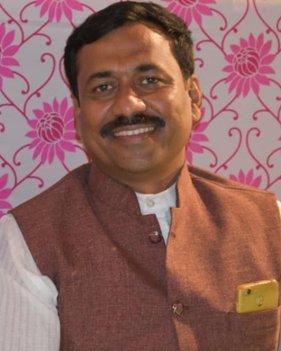
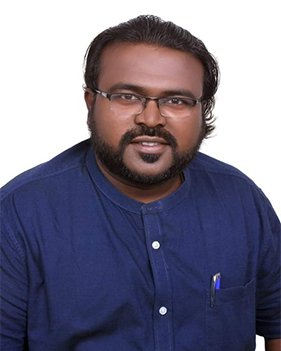
Mr. Satish Bhosale
President of Mahasangh
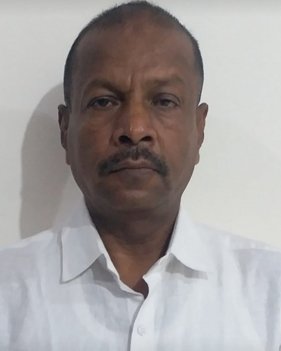
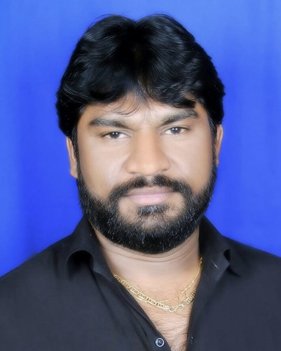
Mr. Nawab Khan
Vice President of the federation
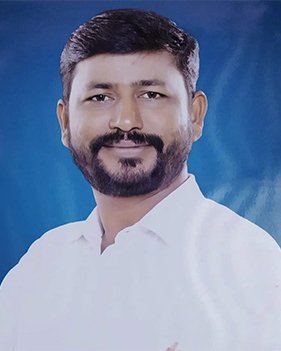
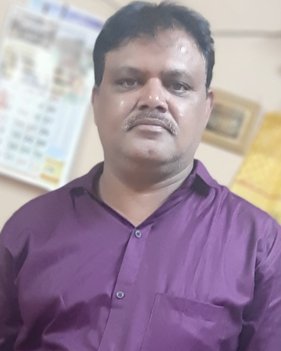
Mr. Suresh Salve
Secretary of Mahasangh
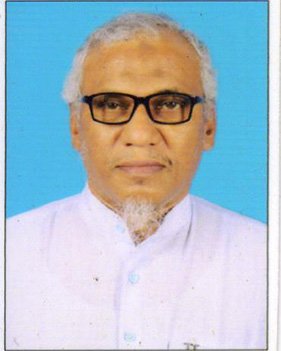
Mr. Chandrakant Kambale
Vice Secretary of Mahasangh
Mr. Santosh Bansode
Treasure of a Mahasangh
Afaq Bhai
Dy. Treasure of the Mahasangh
Executive Committee Member
Abul Hassan
Meena Kamble
Keshari Prasad T Jaiswar
Mrs. Renuka Shegaonkar
Vinod Kumar
Anita Santosh Mishra
Rekha Ramesh Patel
Shalini Kothare
Associated Members and Individuals
Mr. Janardan Paradkar
Mr. Balaji Shinde, CBO
Mrs. Surekha Alder, CBO
Mr. Santosh Gamare, CBO
Mr. Sattarbhai, CBO
Mr. Ganpat Kalbhor, CBO
Mr. Gupta palak, CBO
Mrs. Ranjana Gabale, CBO
Mr. Sadiq Bhai, CBO
Mr. Mulik, CBO
Mr. Vilas Salavi, CBO
Mr. Narayan Shegainkar, CBO
Mrs. Sangita Dhasal, CBO
Mr. Anil Ghaiwat, CBO
Mr. Dilip Salunkhe, CBO
Mr. Subhash Jadhav, CBO
Mr. Nawab Mallik, CBO
Mrs. Sarfunissa, CBO
Mr. Habibbhai, CBO
Mrs. Namita Tane/Rajashri Sonar, CBO
Meet Our Team
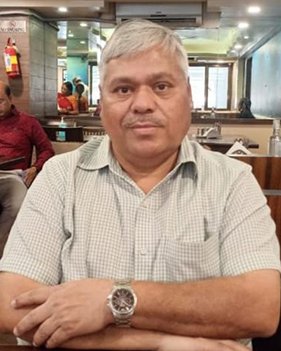
Mr. Anand Jagtap
Advisor of SSSmS.
Having 35 years of experience in development sector.
Ext. Officer on Special Duty (O.S.D.), Municipal Corporation of Greater Mumbai (M.C.G.M.), Slums Sanitation Program (S.S.P.), Social Waste Management, Worked with various Government departments which includes Govt Mahatashtra, Municipal Corporation of Greater Mumbai. Worked for various development projects financed by the World Bank, European Economic Community, International Fund for Agriculture Development IFAD, presently working as independent WASH consultant for rural and urban sanitation. Training and capacity building, engagement of communities are main areas of expertise.
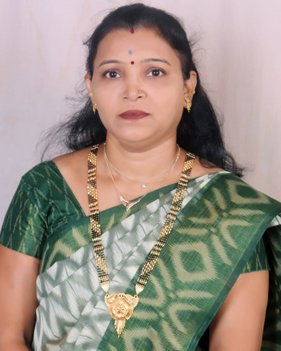
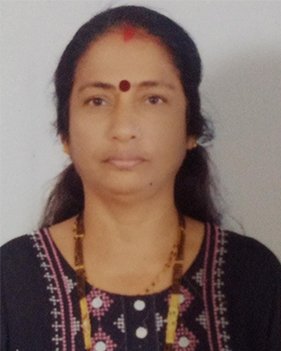
Mrs. Meenatai kamble
President of Mahasangh
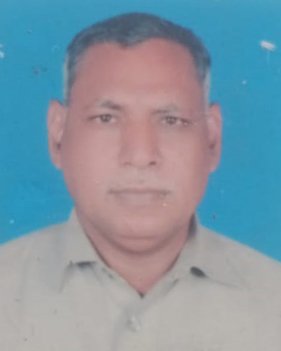
Mr. Nawab Khan
Vice President of the federation
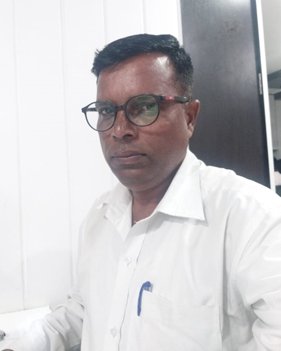
Mr. Suresh Salave
Secretary of Mahasangh
Mr. Satish Bhosale
Vice Secretary of Mahasang
Mr. Santosh Bansode
Treasure of a Mahasangh
Mrs. Renuka Shegaonkar
Dy. Treasure of the Mahasangh
Executive Committee Member
Abul Hassan
Nitin Chandrakant Kamble
Keshari Prasad T Jaiswar
Afaq bhai
Vinod Kumar
Anita Santosh Mishra
Rekha Ramesh Patel
Shalini Kothare
Associated Members and Individuals
Mr. Janardan Paradkar
Mr. Balaji Shinde, CBO
Mrs. Surekha Alder, CBO
Mr. Dilip Salunkhe, CBO
Mr. Sattarbhai, CBO
Mr. Ganpat Kalbhor, CBO
Mr. Gupta palak, CBO
Mr. Sadiq Bhai, CBO
Mr. Santosh Gamare, CBO
Mr. Mulik, CBO
Mr. Vilas Salavi, CBO
Mr. Narayan Shegainkar, CBO
Mrs. Sangita Dhasal, CBO
Mr. Anil Ghaiwat, CBO
Mrs. Ranjana Gabale, CBO
Mr. Subhash Jadhav, CBO
Mr. Nawab Mallik, CBO
Mrs. Sarfunissa, CBO
Mr. Habibbhai, CBO
Mrs. Namita Tane/Rajashri Sonar, CBO
Objectives of Swachhata Sanvardhan Sanstha Mahasangh
1. To bring together all the CBOs participating in SSP on one platform.
2. To provide capacity-building opportunities to the CBOs,leading to enhancement in the areas of knowledge, skills and awareness.
3. Organizing CBO representatives office bearers and building unity and cooperation among them, implementing activities that prioritize sanitation in our slums and improving public sanitation work, and raising awareness among the people about the relationship between sanitation and health.
4. To create awareness among the people about their rights and duties by raising awareness about human rights related to sanitation and water.
5. To coordinate and cooperate with Mumbai Municipal Corporation, the Government of Maharashtra and other administrative departments to effectively implement sanitation services.
6. To help the slum dwellers form a mindset to cooperate with the CBO in civic and sanitation work.
7. To make the CBO financially self-sufficient by creating livelihood-based projects.
8. To implement innovative initiatives with CBO to reduce the cost of cleaning and management of Community toilets, such as Solar Energy, Water Recycling Processes, and Bio-gas,as well as obtaining CSR funding from private and public companies for this work.
9. To develop sanitation management mechanisms in Mumbai using smart sanitation technology,creating transparency and social accountability through digital means.
10. To develop community toilets as community development centres at the community level and to set up various development schemes of the Corporation as community confluence centers.
11. To improve the living standards of the slum dwellers such as women, children, the elderly and the disabled.
12. To Participate as important stakeholders in the formulation and implementation of pro-people policies in partnership with government bodies both at the local and state level.
Why and what purpose of SSMS?
Most of the slums in Mumbai lacked toilets forcing many to use open desolate places like creeks, forests, and railway lines for defecation. Women, children and the disabled faced many difficulties. There were several incidences where women well prey to rape or sexual harassment on the way to these desolate places. There were fewer toilets in proportion to the population, and many of these toilets were not in proper condition and therefore remained underused.
Access to public health and good-quality sanitation facilities in our community is a fundamental right of every Indian citizen. The Constitution of India guarantees the right to life to its citizens under Article 21, and the United Nations also recognizes the basic needs of water and sanitation as human rights. Therefore, slum dwellers are entitled to better sanitation and health facilities.
BMC started the mass construction of toilets in 1995 with World Bank funding through public participation under the Slum Sanitation Program (SSP). The program was based on the World Bank guidelines, which required setting up demand-based community toilet construction, including a critical participative approach policy by including slum dwellers in the process. This was a revolutionary initiative to maintain public health and hygiene through community participation in slums.
The slum community needing toilets could be represented by community-based organization, a registered body. Based on their representation which included a list of regular users, BMC took responsibility for the construction of the toilet. However, the day-to-day maintenance of the toilets and minor repairs were the responsibility of the CBOs.
This was a departure from the earlier approach where the community needing toilets was never included in any planning or post-construction phase of repair and maintenance. The Slum Sanitation Program (SSP) was built on the principle of a community participation model, involving the CBOs in post-construction phases like day-to-day maintenance, creating a sense of ownership and accountability towards service provided by BMC.
One of the crucial prerequisites for a well-maintained toilet facility is the involvement of the equally responsible user community. One of the critical components of work stipulated for the CBO has been user behaviour change and awareness building regarding maintaining hygiene and healthy practices in the usage of the facilities.
A major purpose of SSP was inculcating a strong sense of citizenship, which includes accepting their roles and responsibilities and demanding rights. It was essential to create values whereby the BMC structure is viewed in partnership and not just as a service provider.
The concept of community participation was first used in SSP, and with experience gained in this program, the Corporation’s officials made many improvements and changes. It attempted to implement a development process from the bottom up to the top level. From 1995 to 2021, approximately 22000 latrines were constructed, and about 1032 CBOs were registered.
NGOs have mobilized the CBOs for the Municipal Corporation. This program has set up a network of social organizations at the community level. The Corporation does not provide any financial grant to the CBO but recognizes CBOs also as service providers. All CBOs meet expenses for cleaning and maintaining the toilets through public contribution in the form of user charges. With this initiative, the locals can now keep the toilets clean with the help of local human resources and people without having to rely on the external manpower of the Corporation. The Corporation has given them legal rights by signing a Memorandum of Understanding (MoU).
However, these CBOs need more cooperation and coordination from the Corporation. By making CBO more efficient, qualitative and quantitative changes can be made in the cleaning services provided by the Corporation. There is a need to think more about how sanitation services can be improved with community participation in slums.
All the CBOs involved in the SSP have come together and, based on their experiences, have tried to do a better job by understanding the importance of slum sanitation activities. In order to further improve this and create a platform for better sanitation work based on each other’s experience, like-minded organizations and CBOs have come together and set up a Federation of CBOs for the promotion of sanitation. (Swachata Sanvardhan Sanstha Mahasangha).
Swachhata Savrdhan Sanstha Maha Sangh (SSSMS) is registered as a nonpolitical not-for-profit organization in 2009.